Honoring Dr. Dale Rollins: A Lifetime Devoted to Quail
Few individuals have had a greater influence on quail conservation, research, education, and hunting heritage in Texas than Dr. Dale Rollins. As Dale enters retirement, the Rolling Plains Quail Research Foundation is proud to recognize our founding Executive Director and celebrate a career that has fundamentally shaped both RPQRF and the quail community across Texas.
From an Idea to a Research Foundation
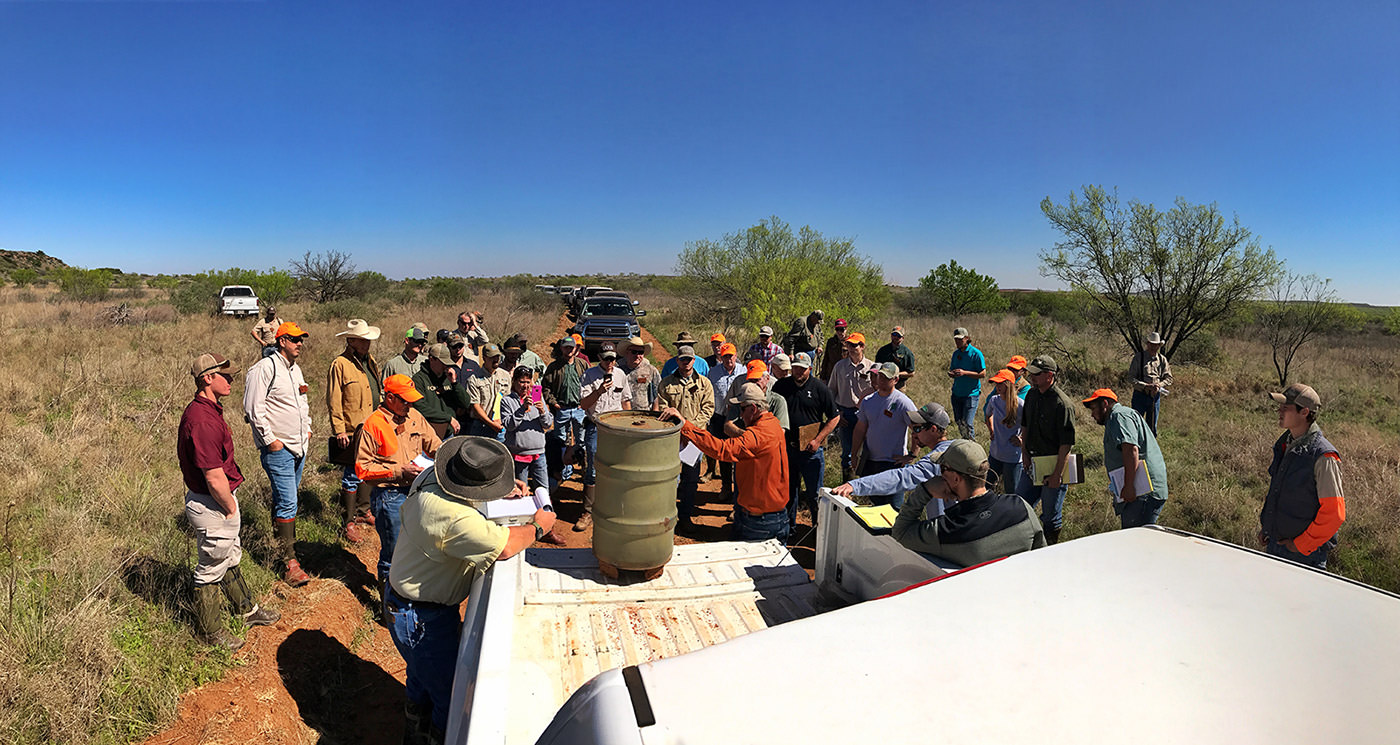
The story of RPQRF began, appropriately enough, following a quail hunt. In 2005, a conversation around the tailgate of a pickup centered on a troubling question: what could be done to ensure that wild quail—and the tradition of hunting them—remained part of the Texas landscape for generations to come? From that conversation emerged the idea for a dedicated quail research ranch: a living laboratory where scientists could study wild quail, test management practices, and share what they learned with landowners and hunters.
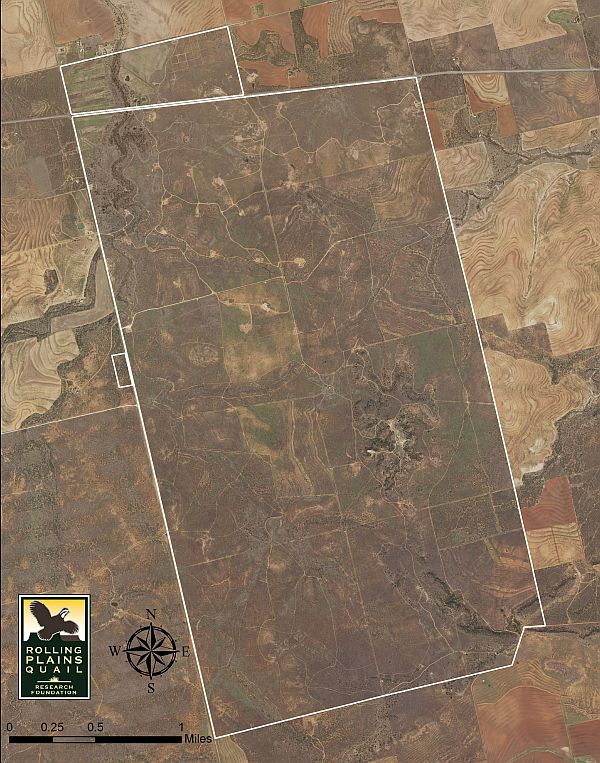
Dale was instrumental in turning that idea into reality. He helped found RPQRF and assumed the role of Executive Director, guiding the organization through its formative years and helping establish the Research Ranch in Fisher County. He served as Executive Director until 2021, when he transitioned to Director of Outreach.
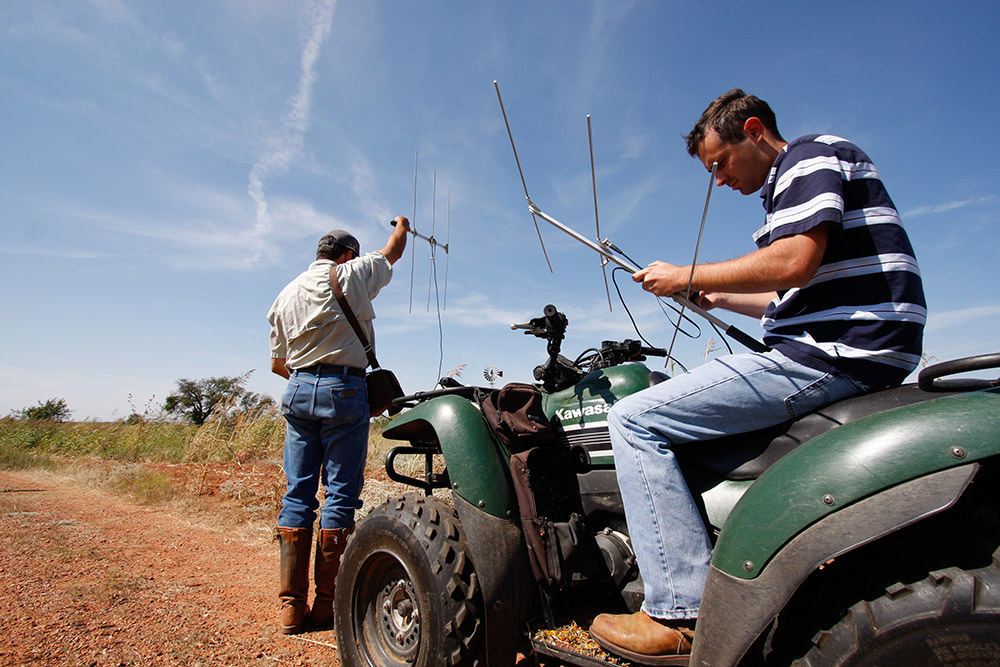
What began as an ambitious idea grew into an organization recognized throughout Texas and beyond for its commitment to applied quail research. Under Dale’s leadership, the Research Ranch became a place where researchers could challenge conventional thinking and investigate questions involving habitat, prescribed fire, grazing, predators, disease and parasites, translocation, and other factors affecting wild quail populations.
More Than a Quail Biologist
Dale’s influence, however, extends far beyond RPQRF. He spent more than three decades with Texas A&M AgriLife Extension Service and AgriLife Research, including many years as an Extension Wildlife Specialist based in San Angelo. His career combined research with a remarkable ability to translate science into information that landowners, hunters, students, and wildlife managers could actually use. He authored dozens of Extension publications and hundreds of popular articles and was eventually named Professor and Extension Specialist Emeritus by Texas A&M University.
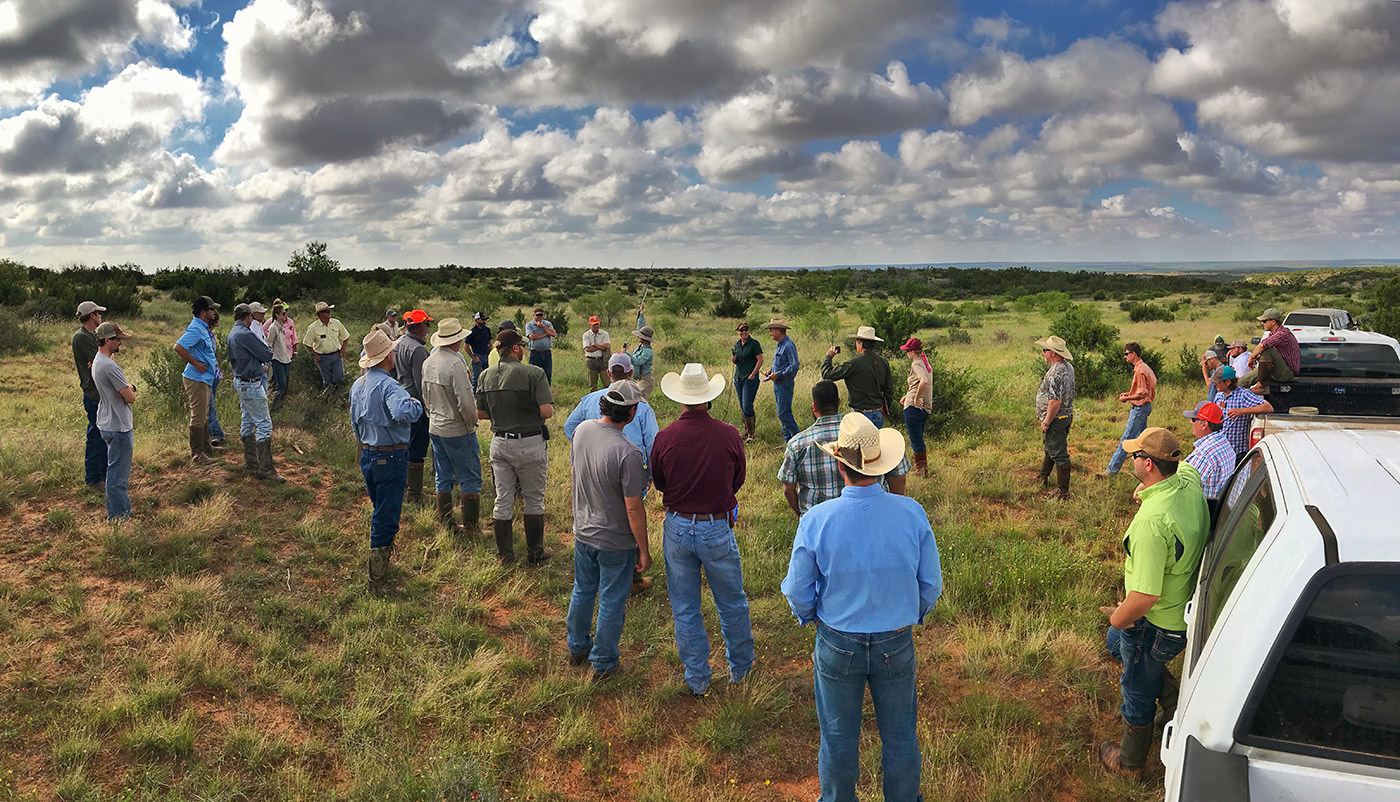
Perhaps one of Dale’s greatest contributions has been his ability to create students of quail. Through QuailMasters, Quail Appreciation Days, countless presentations and field days, and later the Dr. Dale on Quail podcast, Dale brought quail science to an audience far beyond the traditional academic community. He understood that conserving quail required more than publishing research—it required creating informed and passionate advocates for the resource. His commitment to developing the next generation of conservationists is equally significant.
Dale founded the Texas Brigades program, beginning with the Rolling Plains Bobwhite Brigade, which has introduced generations of young Texans to wildlife conservation, leadership, land stewardship, and the outdoors.
A Legacy That Will Continue
Dale’s contributions have earned him numerous honors, including induction into the Texas Conservation Hall of Fame, recognition as a Field & Stream “Hero of Conservation,” and recognition by Outdoor Life as a “Quail Crusader.” Earlier this year, RPQRF and Park Cities Quail Coalition further honored his legacy through the establishment of the Dale Rollins Quail Hunting Hall of Fame Award, recognizing individuals who embody the principles Dale has championed throughout his career: science-based management, responsible land stewardship, ethical hunting, education, and respect for the resource.
For RPQRF, Dale’s legacy is visible everywhere. It is present in the Research Ranch itself. It is reflected in the scientists and students who have conducted research here, the landowners who have changed management practices because of something they learned from Dale, and the young people who discovered careers in wildlife conservation through programs he helped create.
Most importantly, it lives in the community of quail hunters, biologists, landowners, donors, students, and conservationists who have adopted Dale’s lifelong determination to ensure that wild quail remain on the Texas landscape.
Today, RPQRF continues to grow and pursue new research questions using technologies and approaches that could scarcely have been imagined when the idea for a quail research ranch was first discussed around that pickup tailgate. But the purpose remains remarkably similar: use good science to better understand wild quail, share what we learn, and preserve Texas’ wild quail hunting heritage for future generations. That mission is inseparable from Dale Rollins.
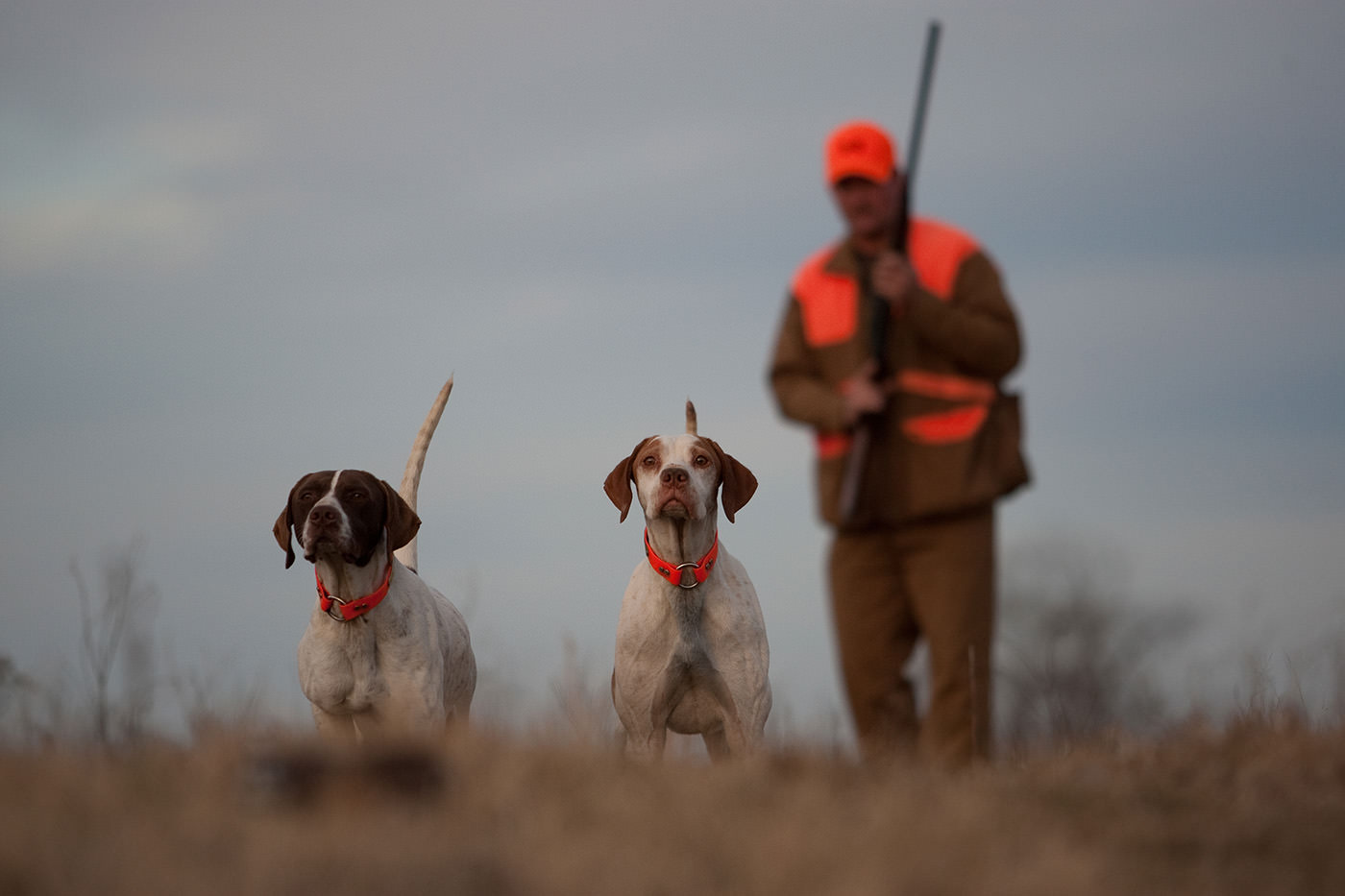
On behalf of the Board of Directors, staff, researchers, supporters, and friends of the Rolling Plains Quail Research Foundation, thank you, Dale. Thank you for your vision. Thank you for your leadership. Thank you for teaching generations of us to become better students of quail. And, above all, thank you for dedicating a lifetime to the birds, habitat, people, bird dogs, and hunting traditions that make Texas quail country so special.
Enjoy your retirement, Dr. Rollins. You have certainly earned it.